When you grow faster than the way you work, things break.
You're not alone. These aren't isolated problems. They're symptoms of an outgrown culture.
Why does this keep happening?
Organizational culture is the set of unwritten rules and shared assumptions that quietly guide how people behave, communicate, and make decisions at work.
These unwritten rules show up when:
- Decisions stall because no one is sure who has the authority to act
- Managers apply expectations differently across teams
- Everything escalates to the top, even small decisions
Over time, this leads to:
- Higher turnover, especially among your strongest people
- Burnout and last-minute coverage issues
- Conflict that feels personal instead of productive
Creating a strong culture isn't about pizza parties or gift cards. It's about making the invisible visible, and then designing it on purpose.
Four to six weeks. Then you know.
The organizational read.
10 to 15 people who have something to say, 10 to 15 minutes each. Not a representative sample: the executive team plus a spread across levels and locations. Plus the survey, exit, and review data you already have.
Weekly reflection prompts.
Five minutes a week for the executive team. Short questions that surface what the survey can't.
Results session.
Ninety minutes with your leadership: what's breaking, why, and what to fix first.
Sponsor call, then the final report.
One to two days after the results session, a short call with the sponsor to lock priorities. The final report follows right after.
Most diagnostics take a quarter to turn findings into a plan. The Thrive Check closes within days of the results session.
A diagnosis, not a number.
"We're losing good people in their first year."
"Same conflicts keep landing on HR's desk."
Managers were promoted for output and never shown what managing means here.
Written manager expectationsOne page, agreed by the exec team.
Monthly 1:1 cadenceSame questions, every manager.
Role levelsSo progression stops being a negotiation.
Decision rightsWho decides, who's consulted, who's told.
Illustrative. Your findings are your own.
Every Thrive Check report includes
- Findings by location and level, with the root cause named
- Recommended actions at three horizons: what anyone can do tomorrow, the bigger projects worth building, and the longer-term work
- What to safely park, and when to revisit it
- A two-page executive summary
- Drafted communications so nothing has to be written from scratch
The time asks, up front.

One organization, or one team you're worried about. Leaders who want the cause before they spend on the fix.

Anyone who wants a values workshop, a benchmark, or a number to file.
Why companies pick this over a survey or a consultant.

The diagnosis and the solve. And we stick around.
Surveys leave you alone with the findings. Consultants fix one thing and leave. We find what's breaking, build the fix with you, and stay while it takes hold.

Integrated, not vendor soup.
The diagnosis drives what gets built and what gets trained. One provider compounding, instead of four vendors scattering.

Made to fit, at an off-the-shelf price.
The diagnosis tailors everything. Our tools make the fit fast, so you get a bespoke result without a bespoke invoice.

AI-amplified, human-anchored.
AI runs our diagnostic framework and drafts at a scale no consultant could. A human holds the judgment, the relationships, and the hard conversations.
Not a consulting firm. Not software. We use software to deliver consulting-quality work at a scalable price.
How your people's answers are handled.
 Individual responses are never shown to anyone at your company and are anonymized in every output.
 Everyone taking part is told up front that AI helps write the reports.
 It's for development only. It doesn't feed pay, promotion, or performance decisions. That's what makes people answer honestly.
 We sign an NDA and, where it applies, a data processing agreement.
The weekly prompt was the top item on our weekly leadership meeting.
Katie has a practical and concrete approach to improving leadership skills and mindset. Her approach is not a lot of jargon and theory. Her approach is to provide tools and insight which can immediately be put in use by the teams. I would highly recommend her.
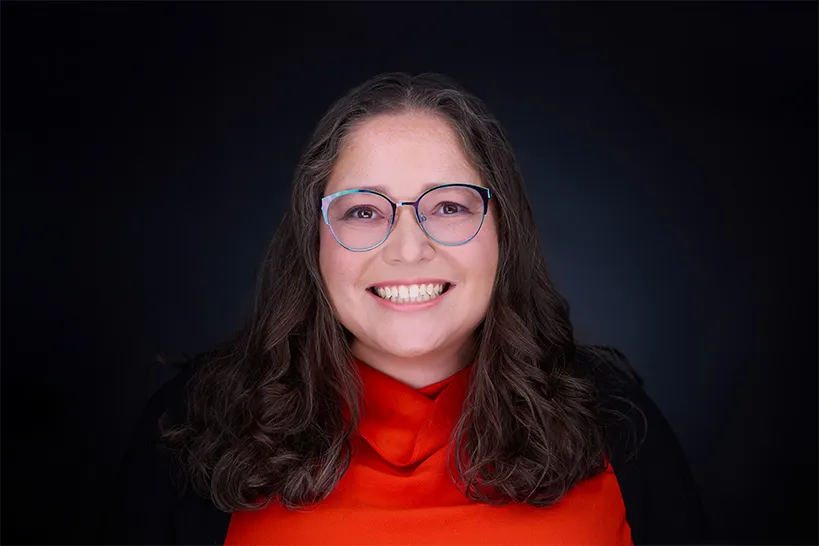
Katie Sheketoff, founder
I led organizational development and leadership at Teach For All, a global organization with around 150 staff and member organizations in 60 countries. Then I ran global leadership development at Marriott, translating a 96-year-old culture to more than 8,000 properties, from the C-suite to the front desk. I built these tools because the standard ones didn't work. The model under them (awareness, alliance, action) is the one in my book, Uncharted Leadership.
Start with a 15-minute fit check.
We'll talk through what's slowing you down and whether this is the right fit. If it isn't, I'll say so. Every engagement is scoped on the call, so you only pay for what the diagnosis says you need.
Or email katie@elevatelabs.biz